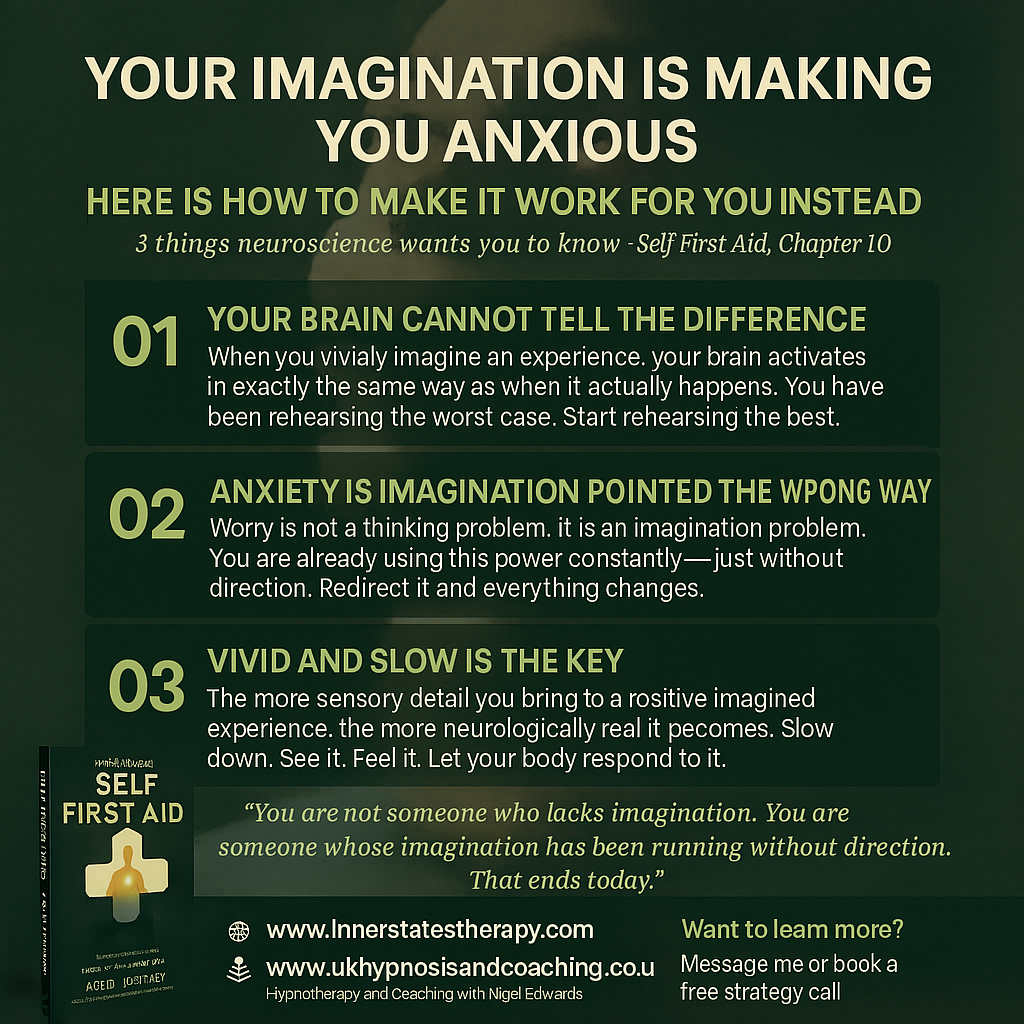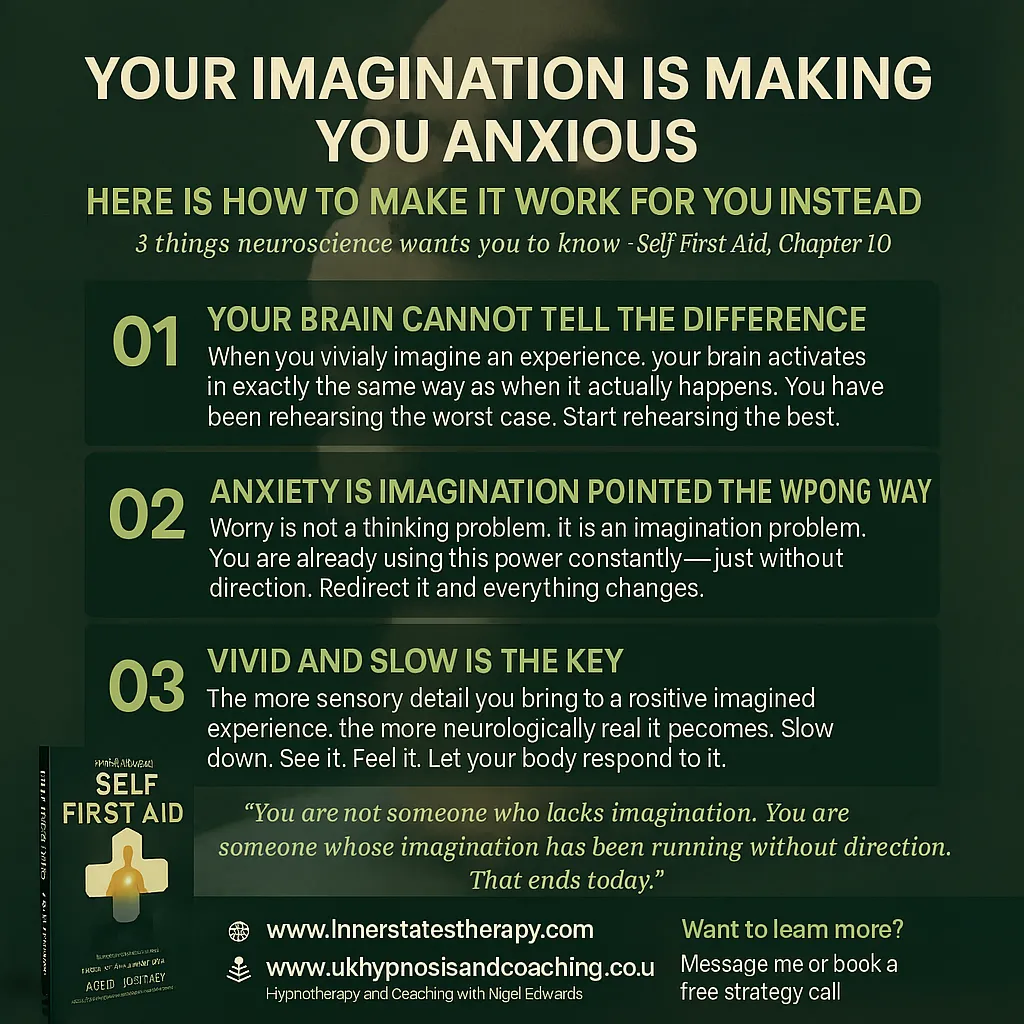
Why Anxiety Makes You Think The Worst-Case Scenario Is The Most Likely
Why Anxiety Makes You Think The Worst-Case Scenario Is The Most Likely
A situation arises and almost instantly their mind jumps to the worst possible outcome.
A slight pain becomes a serious illness.
A delayed text message becomes evidence that something is wrong.
A work meeting becomes a potential disaster.
A flight becomes a catastrophe waiting to happen.
Logically, they often know these outcomes are unlikely. Yet emotionally, they feel incredibly real.
If this sounds familiar, you are not alone.
One of the defining characteristics of anxiety is the tendency to overestimate danger and underestimate your ability to cope. The anxious mind is constantly trying to predict and prevent future problems, but in doing so it often begins treating possibilities as probabilities.
Why Does Anxiety Focus On The Worst-Case Scenario?
Your brain is designed to keep you safe.
Throughout human history, being alert to danger increased the chances of survival. If our ancestors ignored potential threats, the consequences could be serious.
The modern problem is that the same protective system now responds to emotional and psychological threats as well as physical ones.
The anxious brain constantly asks:
What if something goes wrong?
What if I can't cope?
What if this becomes a problem?
What if I'm missing something important?
Unfortunately, the brain is often far more interested in identifying danger than identifying reassurance.
This creates a bias towards negative predictions.
The Problem With "What If?"
Most anxiety is built around uncertainty.
The mind desperately wants certainty, but life rarely provides it.
As a result, many people become trapped in endless mental rehearsals:
What if I have a panic attack?
What if I embarrass myself?
What if I become ill?
What if I lose control?
What if something happens to someone I love?
The mind believes it is preparing for the future.
In reality, it is often rehearsing fear.
The more frequently these scenarios are imagined, the more emotionally convincing they become.
Why Intelligent People Often Overthink More
Many people are surprised to learn that anxiety is common among highly intelligent and capable individuals.
Intelligent people are often excellent problem-solvers.
The difficulty is that anxiety presents problems that cannot be solved with certainty.
The mind keeps searching for an answer that removes all risk.
It analyses.
It reviews.
It plans.
It researches.
Yet complete certainty never arrives.
The result is mental exhaustion.
This is particularly common among people experiencing:
Health anxiety
Panic attacks
Social anxiety
Fear of flying
Driving anxiety
Emetophobia
Anxiety Is Not Predicting The Future
One of the most helpful realisations is this:
Anxiety is not predicting the future.
It is predicting fear.
When anxiety says:
"What if something terrible happens?"
What it often means is:
"What if I feel frightened?"
This distinction matters.
Many people spend years trying to eliminate uncertainty when the real issue is fear of the feelings uncertainty creates.
How Hypnotherapy Can Help
Modern hypnotherapy focuses on changing the emotional response attached to fearful thoughts.
Rather than endlessly analysing every worry, the aim is to help the nervous system become less reactive to uncertainty.
When the emotional charge reduces:
Catastrophic thinking decreases
Overthinking reduces
Confidence increases
Everyday situations feel easier to manage
The goal is not to remove all anxiety from life.
The goal is to stop anxiety from running your life.
Related Support
If this article resonates with you, you may also find these pages helpful:
Anxiety:
https://www.ukhypnosisandcoaching.co.uk/anxiety
Health Anxiety:
https://www.ukhypnosisandcoaching.co.uk/health-anxiety
Panic Attacks:
https://www.ukhypnosisandcoaching.co.uk/panic-attacks
Overthinking Anxiety:
https://www.ukhypnosisandcoaching.co.uk/overthinking-anxiety
Free Strategy Call
If anxiety is affecting your confidence, wellbeing or quality of life, you can arrange a free strategy call here:
https://www.ukhypnosisandcoaching.co.uk/booking
Inner States Therapy App
For additional support, emotional awareness tools and guided resources, explore:
https://www.innerstatestherapy.com
The app includes visual parts-work tools, journaling resources and practical exercises designed to help people better understand and work with anxiety rather than constantly fighting it. It now includes my new eBook: Self First Aid