 07538 789777
  nigel@ukhypnosisandcoaching.co.uk


 07538 789777 nigel@ukhypnosisandcoaching.co.uk
Blog: Nigel Edwards Hypnosis, Welwyn, Herts and surrounding areas & online
Blog: Check here for Articles on Anxiety, Overthinking and overcoming bad habits like Stop Smoking, By Nigel Edwards Hypnotherapist, Hertfordshire


When Your Safe Place Becomes Your Prison: Understanding Anxiety's Comfort Zone Trap
When Your Safe Place Becomes Your Prison: Understanding Anxiety's Comfort Zone Trap
Anxiety rarely takes over your life overnight. More often, it quietly persuades you to make small compromises that gradually become bigger limitations. Before long, your comfort zone has become much smaller—and what once felt like a place of safety can begin to feel like a prison.
For many people, anxiety doesn't start with dramatic panic attacks or complete avoidance.
It starts much more subtly.
Perhaps you decide not to drive on the motorway for a while because it feels stressful.
You decline a social invitation because you're tired.
You avoid travelling because it feels easier to stay at home.
You choose the seat nearest the exit.
You only eat foods you know are "safe."
You ask someone to come with you "just in case."
None of these decisions seem significant on their own.
In fact, they often feel sensible.
The problem is that anxiety learns from every decision we make.
Anxiety Doesn't Demand Everything At Once
If anxiety announced one morning:
"From now on, you're never leaving the house again."
Most people would reject that idea immediately.
Instead, anxiety negotiates.
"Just avoid this one journey."
"Just cancel this one meeting."
"You'll feel safer if someone comes with you."
"Let's leave a little earlier."
"Sit near the exit, just in case."
Each decision provides a sense of relief.
Unfortunately, the brain doesn't simply remember the relief.
It also learns something else:
"Avoiding must have kept me safe."
Over time, avoidance becomes a habit rather than a conscious choice.
When Your World Starts Becoming Smaller
Many clients tell me that they didn't notice their world shrinking at first.
They simply found themselves saying things like:
"I don't drive very far anymore."
"I avoid busy places."
"I only shop at quieter times."
"I won't travel unless someone comes with me."
"I always check where the nearest exit is."
"I stay close to home."
Eventually they realise something important.
It isn't just the anxiety that has changed.
It's their life.
The activities they once enjoyed have gradually disappeared.
Their confidence has reduced.
Opportunities have been missed.
Relationships may even have been affected.
This is one of the hidden costs of anxiety.
Why Avoidance Feels So Good
If avoidance causes long-term problems, why does it feel so helpful?
Because it works.
At least temporarily.
Imagine you are nervous about driving on the motorway.
You decide not to go.
Immediately your anxiety reduces.
Your nervous system relaxes.
The brain notices.
It concludes:
"Avoiding worked."
The next time a similar situation arises, the brain is even more likely to encourage avoidance.
Without realising it, you've begun teaching your nervous system that the motorway is genuinely dangerous.
The same pattern can happen with:
public speaking
flying
social events
restaurants
shopping centres
travelling
eating certain foods
health worries
panic attacks
The more we avoid, the more convincing anxiety becomes.
The Comfort Zone Is Not Always Comfortable
One of the biggest misconceptions is that staying inside your comfort zone should feel comfortable.
In reality, many people feel deeply frustrated.
They know anxiety is making decisions for them.
They watch friends, family or colleagues doing things they would love to do.
Yet the fear feels too overwhelming.
This often leads to another emotion:
Guilt.
People begin criticising themselves.
"Why can't I just get on with it?"
"What's wrong with me?"
"Everyone else seems to cope."
The truth is that anxiety is not a sign of weakness.
It is a nervous system that has become overly protective.
Confidence Doesn't Return By Waiting
One of the most common myths is:
"I'll do it when I feel confident."
Unfortunately, confidence rarely arrives first.
Confidence usually develops after repeated experiences of discovering that you can cope.
This doesn't mean forcing yourself into frightening situations without support.
It means gradually helping your nervous system learn that many situations it currently sees as dangerous are actually safe.
Each positive experience begins to rebuild trust.
Not only trust in the outside world, but trust in yourself.
A Different Way To Think About Recovery
Rather than asking:
"How can I avoid anxiety?"
It can be more helpful to ask:
"How can I stop anxiety deciding what my life looks like?"
This small shift changes the focus.
Recovery becomes less about eliminating every anxious feeling and more about reclaiming your freedom.
Many people are surprised to discover that as they stop fighting every anxious sensation, those sensations often become less powerful.
How Hypnotherapy Can Help
Modern hypnotherapy isn't about pretending anxiety doesn't exist.
It's about helping your nervous system respond differently.
In my work, I combine modern clinical hypnotherapy, Advanced Conversational Hypnosis and other evidence-informed approaches to explore the underlying patterns that keep anxiety going.
Rather than simply teaching coping techniques, we work towards reducing the emotional charge attached to situations that currently feel threatening.
Many clients find they become less restricted, more resilient and more willing to embrace life again.
The aim isn't to become fearless.
It's to stop allowing fear to make your decisions.
Understanding The Different Parts Of You
One reason anxiety can feel confusing is that different parts of us often want different things.
One part wants freedom.
Another wants certainty.
One part wants to travel.
Another wants to stay safe.
Neither part is trying to harm you.
Both are attempting to protect you in different ways.
Understanding these internal conflicts is often a powerful step towards lasting change.
The Inner States Therapy app includes a unique visual Parts Therapy tool that helps you explore these different emotional parts, alongside guided reflections, therapeutic resources and practical exercises designed to help you better understand your anxiety and regain confidence.
Explore the app here:
https://www.innerstatestherapy.com
Related Support
If this article resonates with you, you may also find these pages helpful:
Anxiety
https://www.ukhypnosisandcoaching.co.uk/anxiety
Driving Anxiety
https://www.ukhypnosisandcoaching.co.uk/driving-anxiety-hypnotherapy
Fear of Flying
https://www.ukhypnosisandcoaching.co.uk/fear-of-flying
Social Anxiety
https://www.ukhypnosisandcoaching.co.uk/social-anxiety
Health Anxiety
https://www.ukhypnosisandcoaching.co.uk/health-anxiety
Panic Attacks
https://www.ukhypnosisandcoaching.co.uk/panic-attacks
Fears & Phobias
https://www.ukhypnosisandcoaching.co.uk/fears-phobias
Arrange A Free Strategy Call
If anxiety is beginning to limit your life, you don't have to work through it alone.
A free strategy call gives us the opportunity to discuss what you're experiencing, answer your questions and explore whether hypnotherapy is the right approach for you.
Book your free strategy call here:
https://www.ukhypnosisandcoaching.co.uk/booking
Frequently Asked Questions
Can anxiety really make your world become smaller?
Yes. Anxiety often leads people to avoid situations that feel uncomfortable. Over time, these small acts of avoidance can reduce confidence and gradually limit everyday activities.
Why does avoiding situations make anxiety stronger?
Avoidance provides short-term relief, which teaches the brain that avoiding was necessary to stay safe. This can reinforce anxiety over time.
Is staying in my comfort zone always a bad thing?
Everyone benefits from feeling safe, but when your comfort zone starts preventing you from living the life you want, it may be time to gently expand it with the right support.
Can hypnotherapy help me regain confidence?
Many people find hypnotherapy helpful because it focuses on changing the subconscious emotional responses that keep anxiety and avoidance going, helping them feel more confident in situations that once felt overwhelming.
Final Thoughts
The goal of recovery isn't to prove how brave you are.
It isn't to eliminate every anxious feeling.
It is to gradually reclaim the parts of life that anxiety has persuaded you to give up.
Because the safest life isn't always the smallest one.
Real freedom comes when your choices are guided by what matters to you—not by what anxiety tells you to avoid.

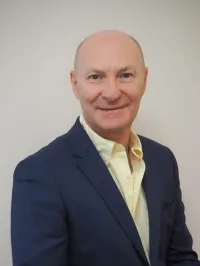
If you're looking for a professional hypnotherapy for anxiety in Welwyn, Hertfordshire, surrounding counties or online, you can book a session below.
Support for Your Journey — In Sessions or On Your Own
Whether you’re working with me directly or exploring things at your own pace, having the right tools can make a real difference.
The Inner States Therapy App is a powerful visual tool designed to help you understand your internal patterns, reduce overwhelm, and create meaningful change — wherever you are in your journey.
It can be used as a starting point for those new to this kind of work, or alongside sessions to deepen and support the process.
Explore the Inner States Therapy App: www.innerstatestherapy.com

Who I Help
People experiencing:
Anxiety
Panic attacks
Overthinking
Phobias
Stress-related issues
How I Help
I use hypnotherapy and conversational techniques to help change the underlying patterns behind anxiety,
allowing clients to feel calmer,
more in control,
and less affected by intrusive thoughts
and physical symptoms.
Nigel Edwards | UK Hypnosis & Coaching
Welwyn, Hertfordshire | Serving Hertfordshire, Bedfordshire, Cambridgeshire, Essex, North London & Online
Email: nigel@ukhypnosisandcoaching.co.uk
Phone: 07538 789777
Quick Links
© 2024 UK Hypnosis & Coaching


tNigel Edwards – Hypnotherapist for Anxiety, Panic & Overthinking in Hertfordshire